Enabling Community-Led Innovation to
Reimagine U.S. Foster Care
May 27, 2026 | National Press Club | Washington, D.C.
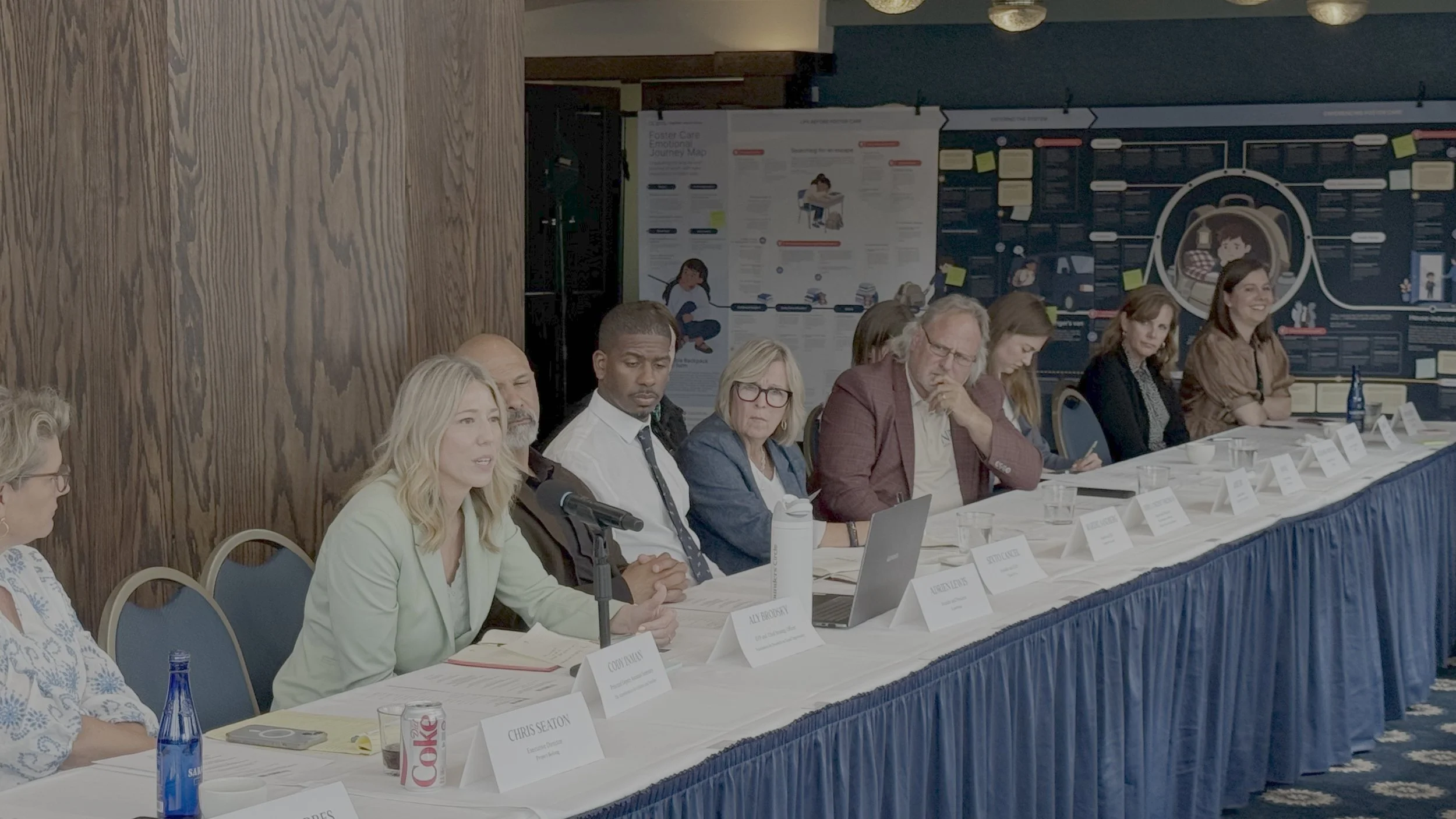
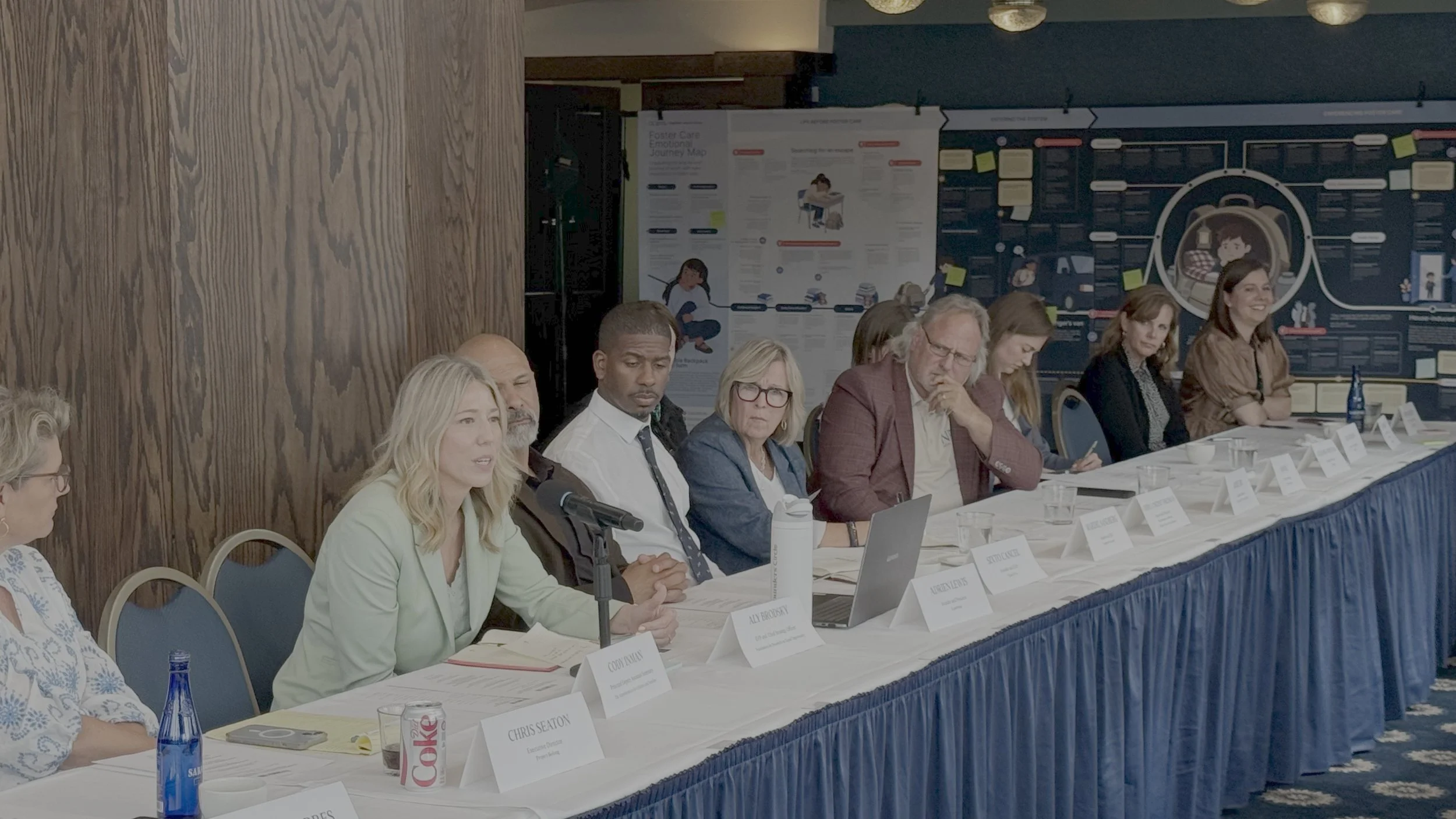
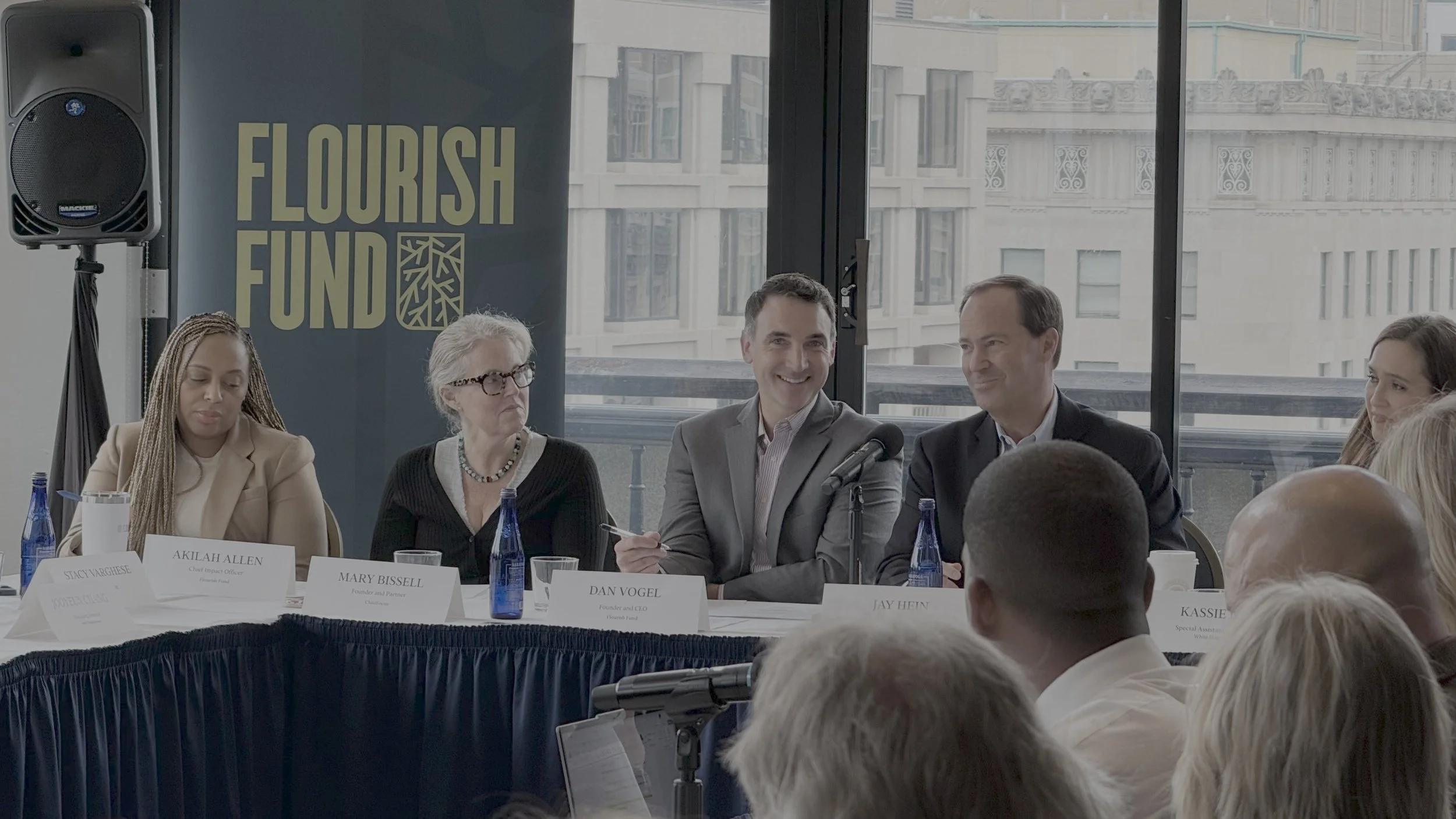
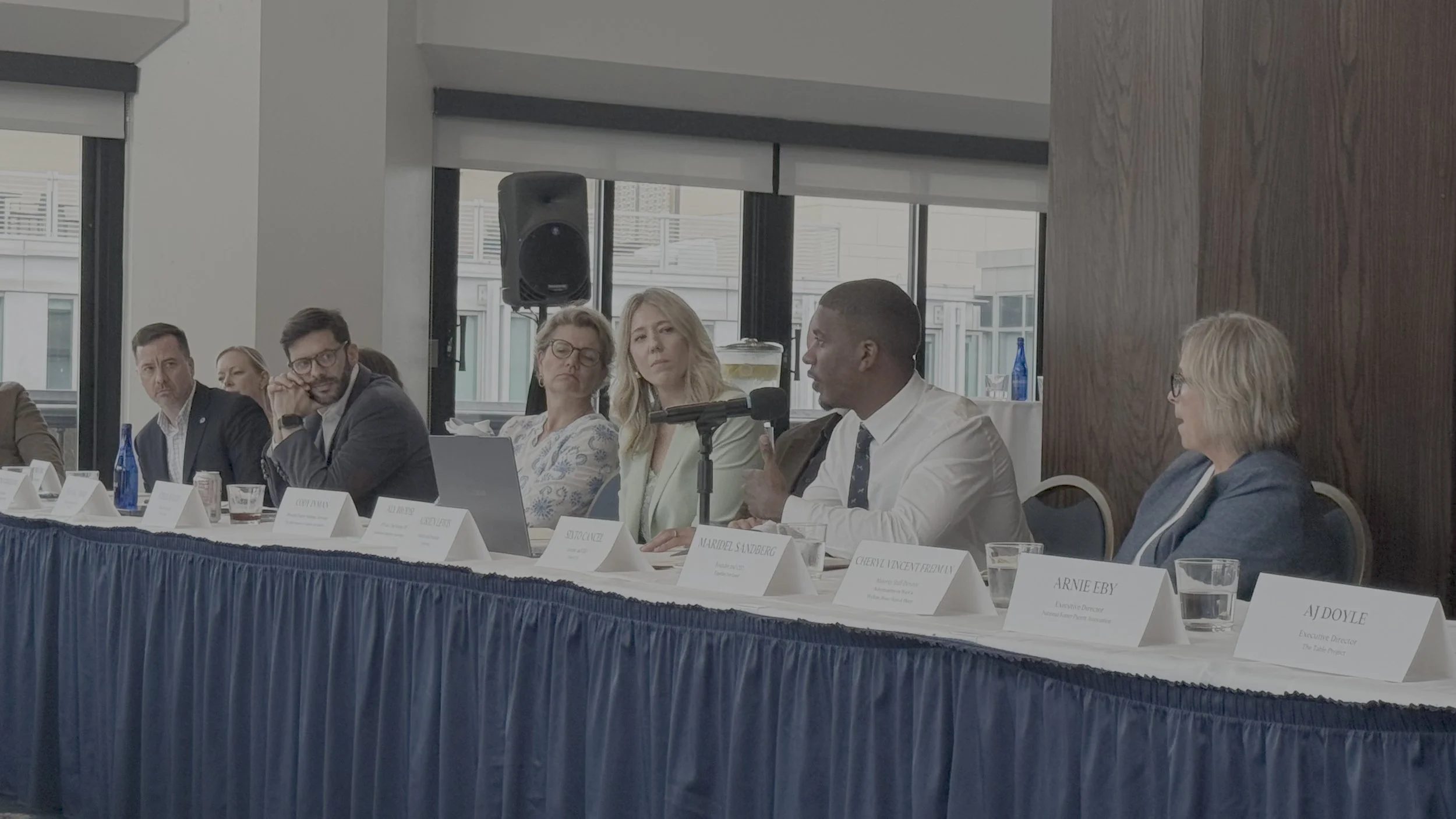
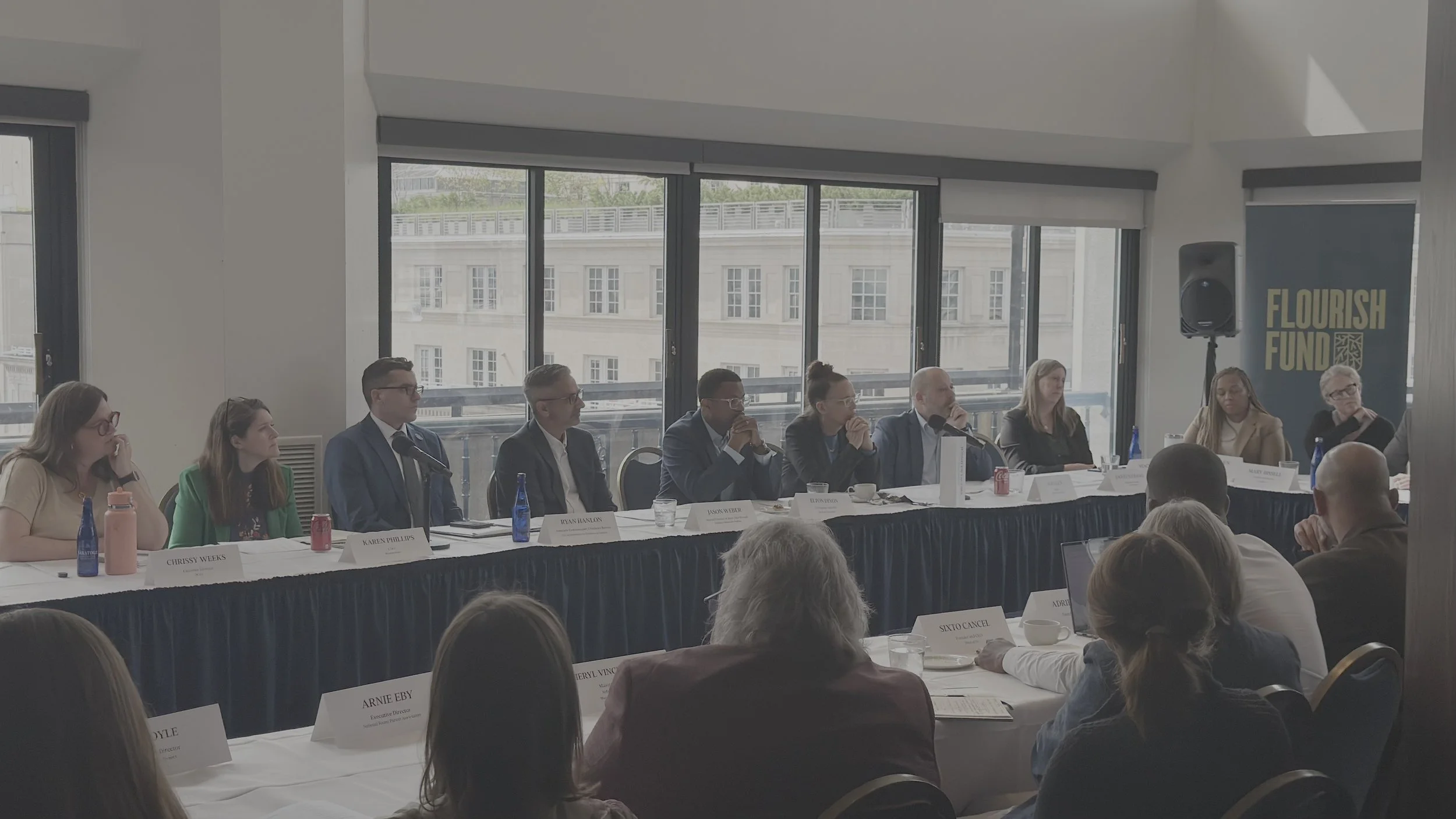
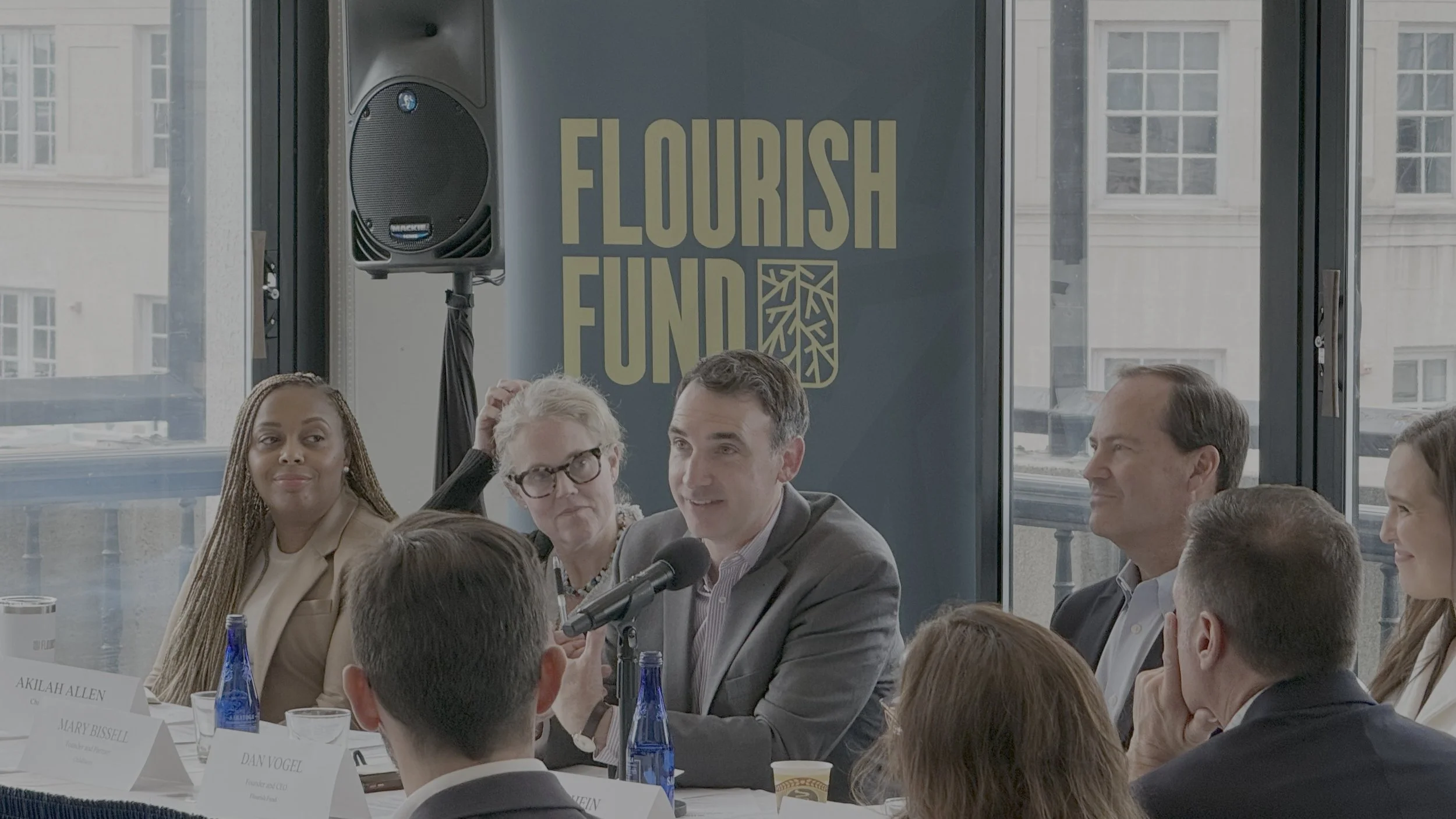
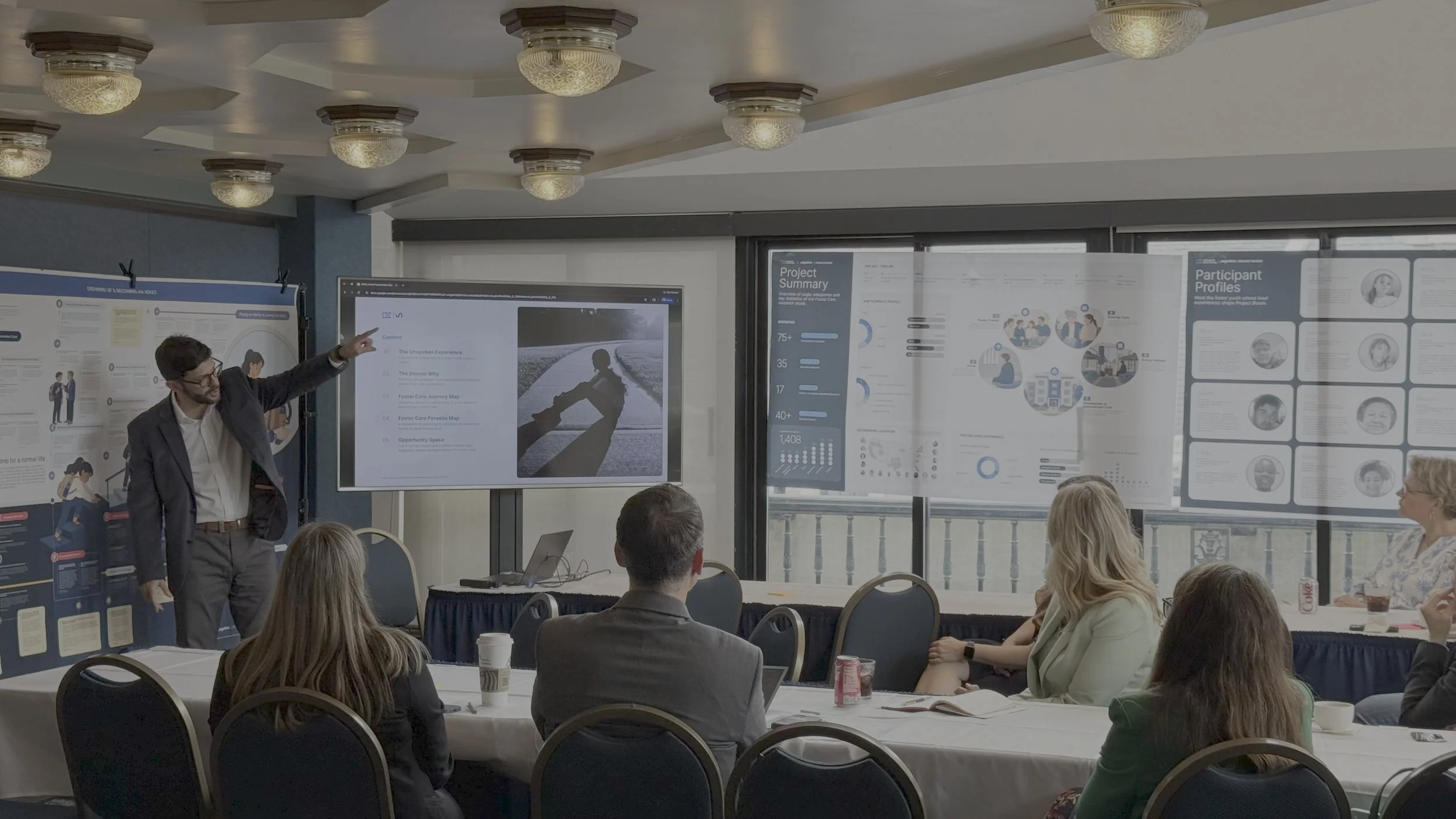
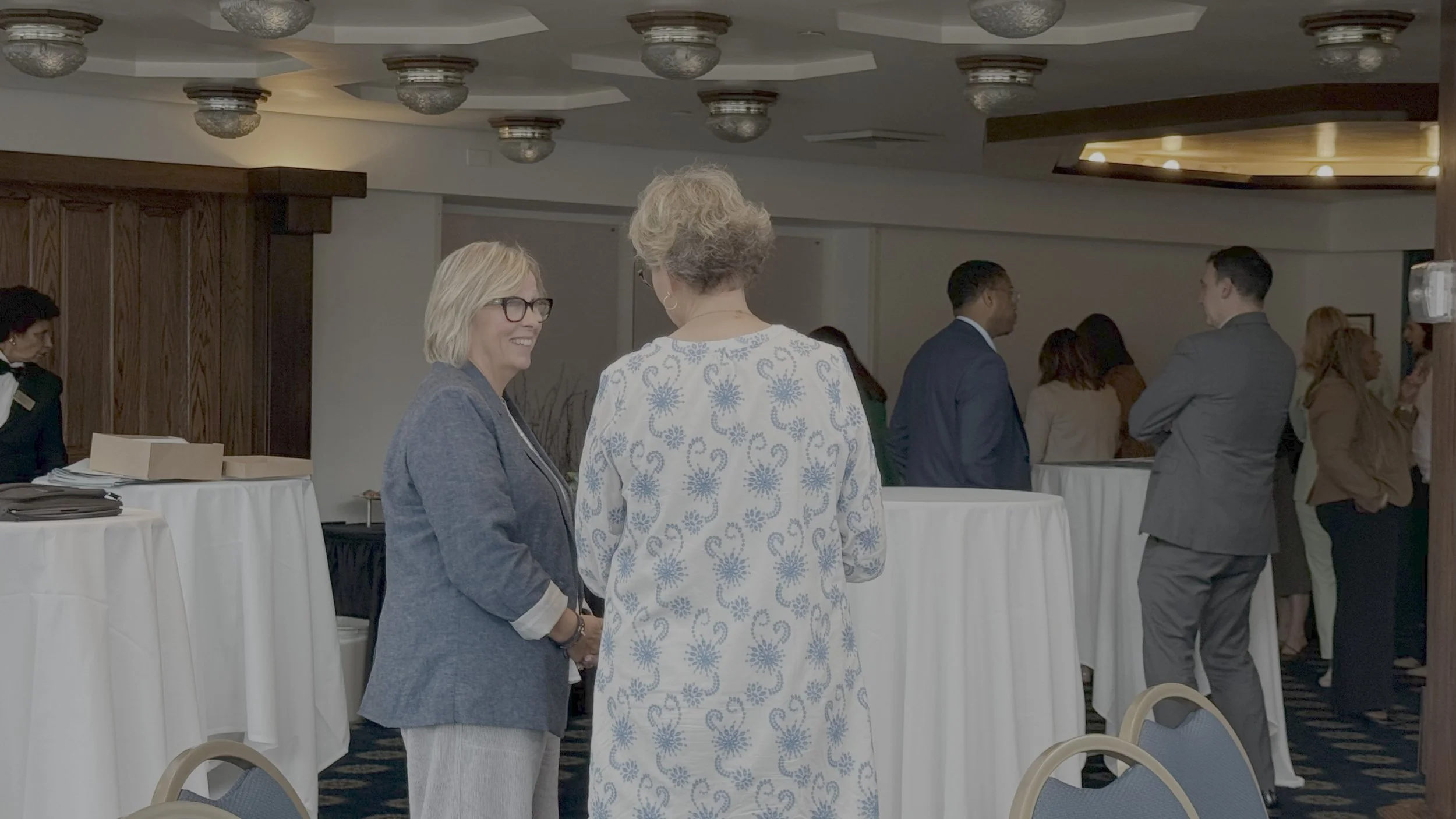
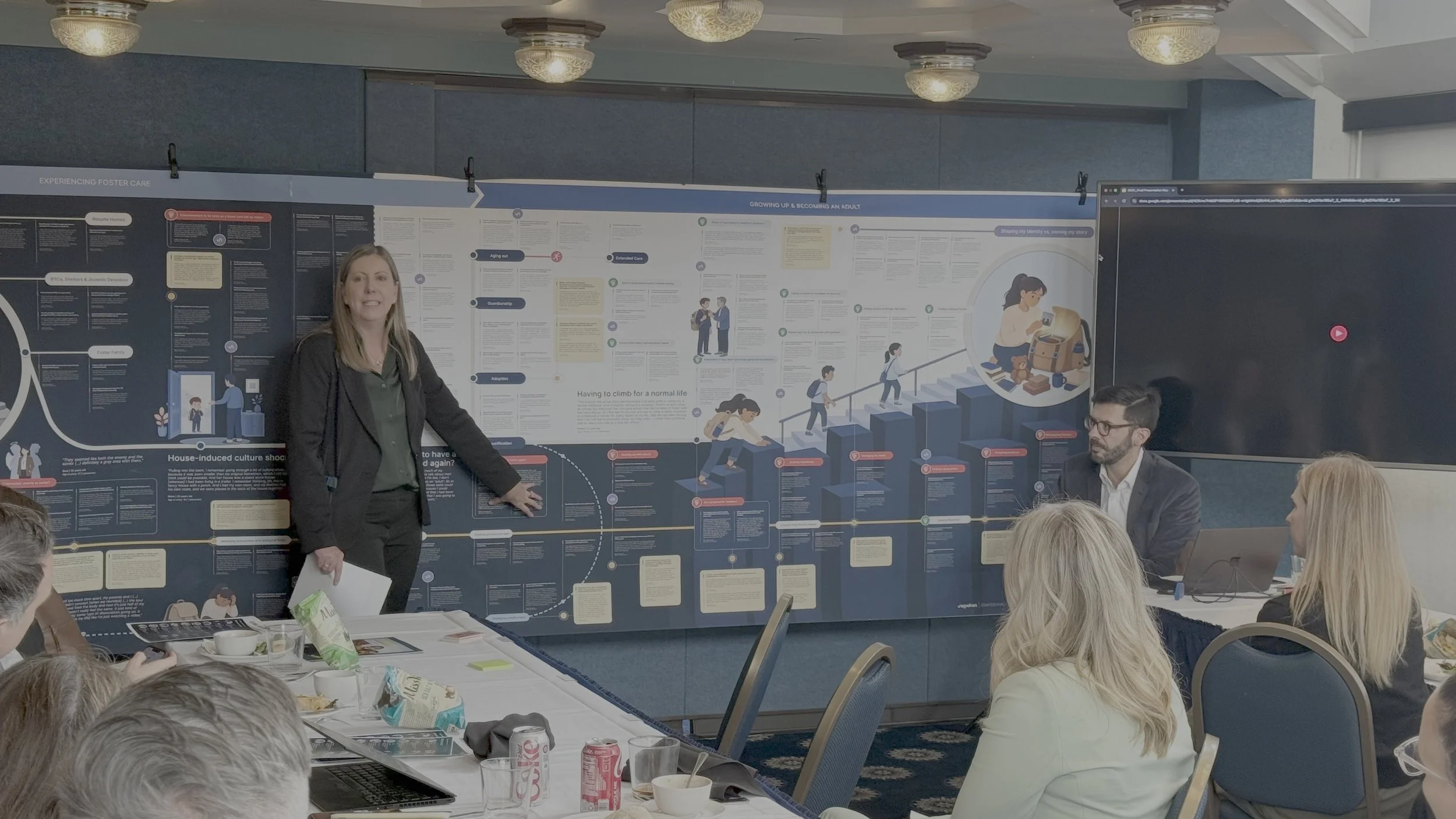
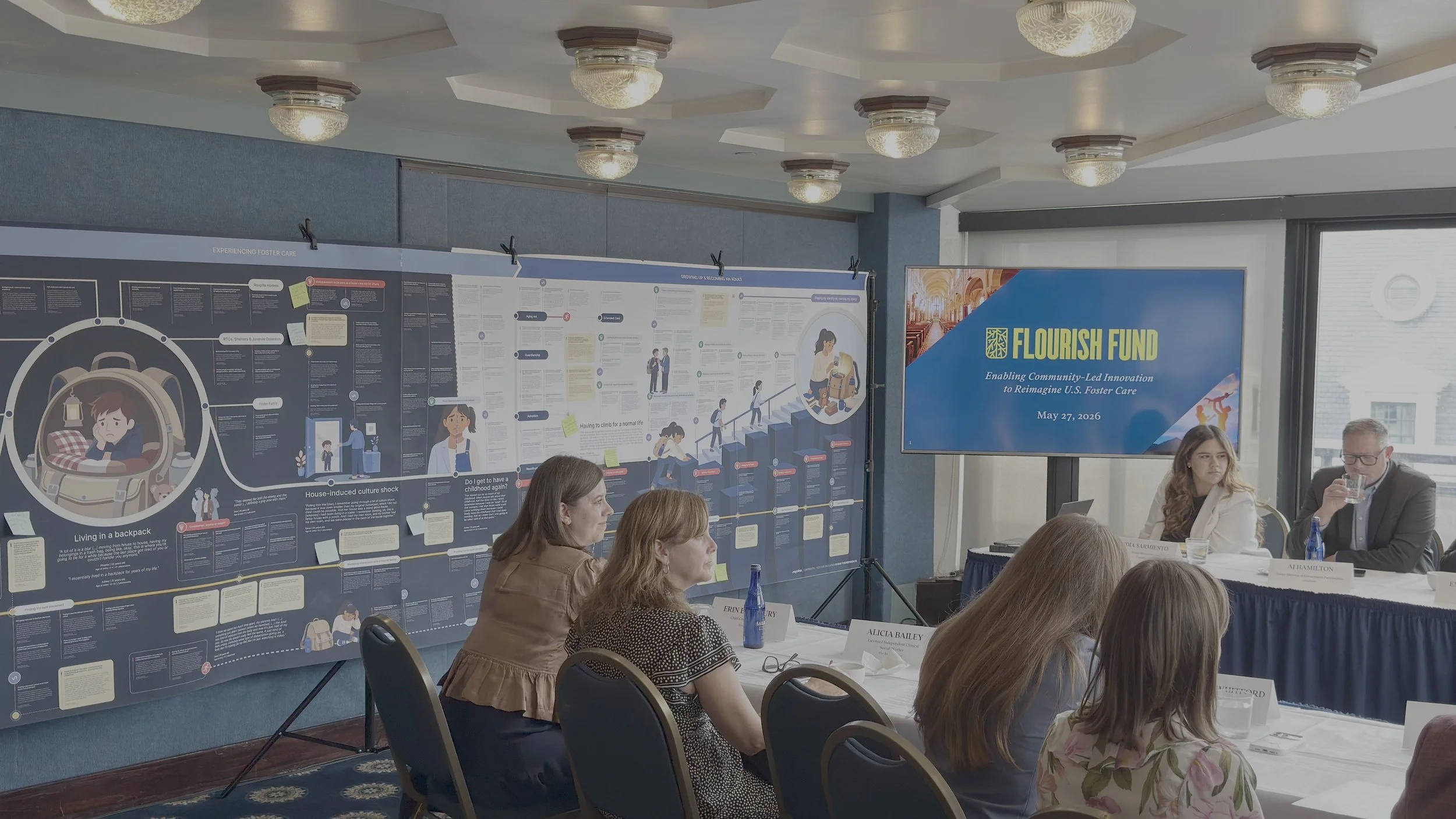
Thank you for joining us in Washington for Flourish Fund’s DC Policy Salon.
The conversation was exactly what we hoped it would be: candid, thoughtful, and grounded in both practical experience and a shared commitment to better outcomes for children and families.
Bringing together leaders from the federal government, Congress, child welfare agencies, philanthropy, faith-based organizations, and frontline practice created a rare opportunity to wrestle honestly with some of the most important questions facing child welfare today.
While the discussion surfaced meaningful differences in perspective, it also revealed several clear areas of alignment that point toward real opportunity for the field.
What Emerged from the Conversation
Community is Essential Infrastructure
One of the clearest themes that surfaced was the growing recognition that community involvement cannot be treated as supplemental to child welfare reform.
Again and again, the conversation returned to the unique role that churches, neighbors, local organizations, and relational networks play in providing what formal systems alone cannot: belonging, trust, consistency, and durable human connection.
A compelling idea emerged around the need to think more intentionally about “caregiver infrastructure” as essential child welfare infrastructure.
Prevention is Ultimately Relational
A recurring thread throughout the afternoon was the role of isolation as an upstream driver of family crisis.
The conversation reinforced that prevention is not simply about expanding services or adding programs. It is about building relational ecosystems capable of interrupting isolation before families reach crisis.
This framing sharpened an important insight: meaningful human connection is not peripheral to prevention – it is central to it.
Government and Community Have Distinct, Complementary Roles
The discussion also highlighted a strong shared understanding that while government has an indispensable responsibility for child protection, accountability, and oversight, it cannot provide the relational dimensions of care that children and families need most.
This raised an important challenge for all of us: how do we design policy frameworks that create enabling conditions for local communities to contribute what only they can provide?
Several promising opportunities surfaced around flexible funding structures, innovation pathways, and policy design that better supports local experimentation and partnership.
This Moment Presents Real Policy Opportunity
The conversation underscored that this is a significant moment for practical progress.
The White House executive order’s emphasis on faith and community partnerships, alongside continued opportunities to strengthen Family First and revisit federal funding streams such as Chaffee, points to meaningful openings for policy innovation.
There was a clear sense in the room that the field should be prepared to bring concrete, actionable proposals forward.
Innovation Already Exists, But It Needs Support
Another important takeaway was the reminder that many of the most promising innovations are already taking shape in communities across the country.
The challenge before us is not simply generating new ideas, but identifying, resourcing, and creating pathways for promising local models to spread.
This includes ensuring that innovators – particularly those closest to lived experience – have the capital, visibility, and partnership needed to grow their work.
looking ahead
The salon was not designed to produce a single consensus solution.
Its purpose was to surface the most important tensions, sharpen the right questions, and strengthen the relationships necessary for continued collaboration.
If there was one conviction that seemed to resonate across the room, it was this:
Community involvement in child welfare is not a “nice-to-have.” It is essential.
We are deeply grateful for the candor, wisdom, and leadership each of you brought to the conversation.
We left encouraged by what was surfaced together and hopeful about the opportunity ahead to continue building the language, partnerships, and innovation infrastructure needed to help more children and families flourish.
Thank you for being part of this important conversation.